AI Music in 2026: Where Creativity Ends and Copyright Infringement Begins
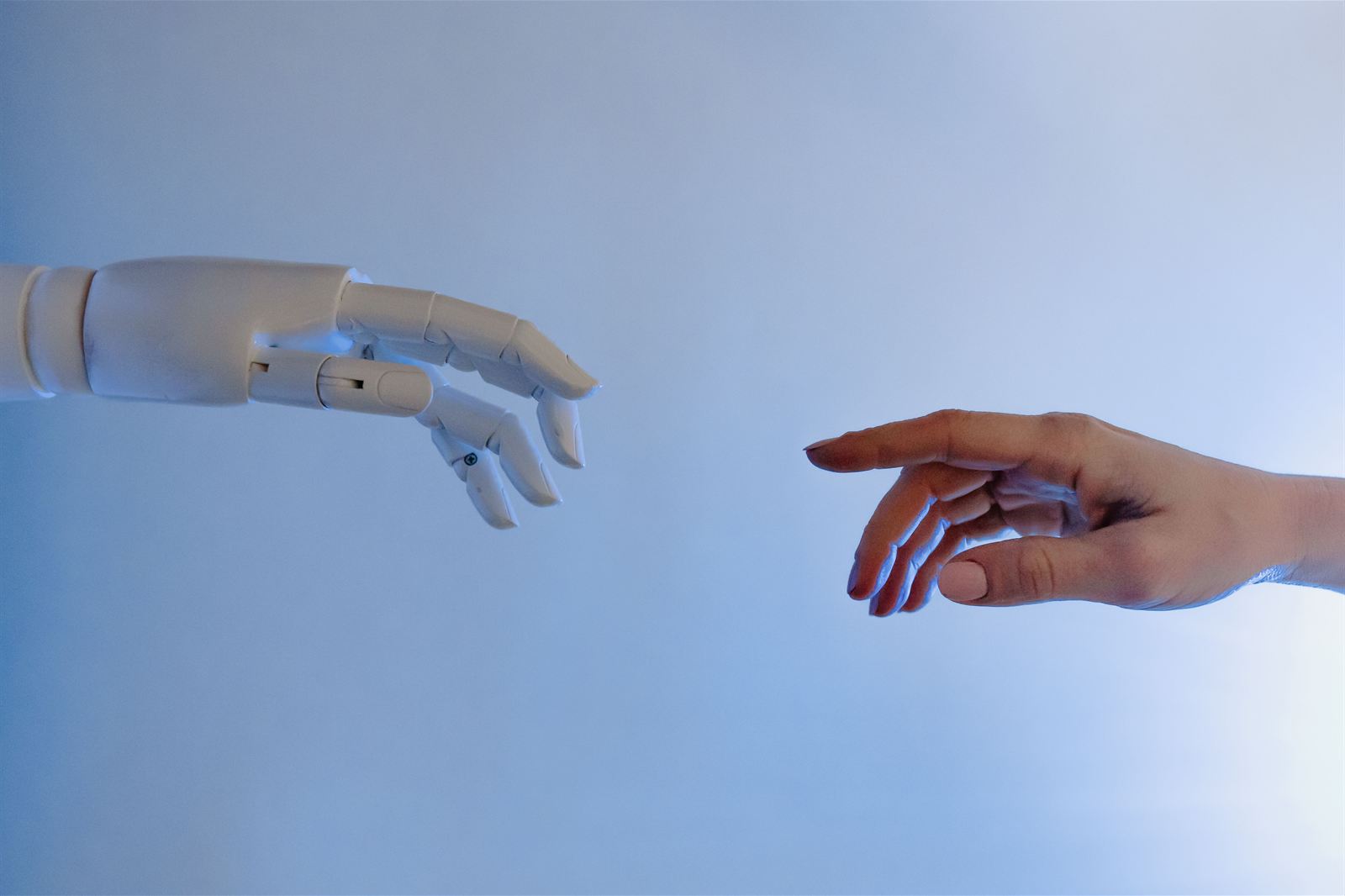
However, with this technological power comes an immense legal and ethical responsibility. Crossing the boundaries of legal use in digital music distribution is riskier today than ever before. Streaming platforms are ruthless: anyone who cheats or misuses someone else's intellectual property risks not only having their tracks taken down, but also faces the very real threat of an extremely expensive copyright lawsuit.
How Far Can You Legally Use AI for Your Music?
AI is an excellent tool as long as you maintain control and use the technology as an assistant rather than a replacement for your own creativity. In modern music production, several use cases are entirely legitimate, safe, and have become industry standard:
- Inspiration, Sound Design, and Prototyping: You can use AI to generate unique drum patterns, complex chord progressions, or initial melody ideas to serve as a digital sketchbook. If you then play, modify, and develop these ideas yourself in your DAW (like Ableton, Logic, or Pro Tools), you are creating a new, copyrighted work.
- Intelligent Mixing and Mastering: AI-driven plugins help you precisely separate muddy frequencies, build spatial depth, or optimize your final mix to meet the commercial loudness and dynamics requirements of major streaming platforms.
- AI Vocals as a Creative Instrument: Utilizing licensed AI voice models to generate synthetic backing vocals, choirs, or futuristic background textures is completely established in modern songwriting — provided the voices are built on datasets that the developers legally own.
As long as the final product relies heavily on your own creative input and you guide the AI as a tool, you are safe to distribute your tracks globally.
The Red Line: Feeding Copyrighted Lyrics Into AI
The biggest and most dangerous misconception in 2026 is: "If the AI spits out the song, it belongs to me and everything is legal." The opposite is true, especially when it comes to the foundation of any track: the lyrics.
It is completely illegal and a severe copyright violation to input an existing text, poem, or the lyrics of another artist protected by copyright into the prompt box of a generative AI to create a new song at the push of a button.
Why the Industry is Cracking Down:
- Illegal Reproduction and Derivative Works: By feeding protected lyrics into an AI, you are using another creator's intellectual property without their express permission, creating an unauthorized derivative work. Official bodies like the U.S. Copyright Office emphasize that copyright law protects creators against exactly this kind of unauthorized reproduction.
- No Right to Royalties: If you use someone else's text without a license, you legally don't own a single cent of the earnings. Streaming platforms in 2026 don't hesitate: upon a valid copyright claim, the track is instantly blocked worldwide, and any accrued royalties are frozen.
- The Cloning Trap with Famous Works: This also applies to re-singing famous songs using AI voice clones. If you use the composition or lyrics of a hit song without holding the mechanical rights (an official cover license), you are violating the terms of service of almost all digital stores and distributors.
No Copyright for Purely Machine-Generated Music
As a professional producer, you need to be aware of a fundamental legal reality: under current frameworks in both the US and the EU, works that are generated entirely by AI without human intervention cannot be protected by copyright.
If your creative process consists solely of typing a few keywords into a text prompt and exporting the finished audio file, you do not own the rights to that track. Anyone else could copy your music, upload it to Spotify, and monetize it — and you would have absolutely no legal recourse because the work does not legally belong to you.
Conclusion: Keep Tech in Check, Keep Rights in Sight
At the end of the day, AI in 2026 is exactly what drum machines were in the '80s or samplers were in the '90s: a powerful new tool in the hands of musicians. It can help you work faster, sound bigger, and break down technical barriers. But it can never replace the unique blend of heart, soul, and authentic craftsmanship that defines real music.
As an independent artist, your originality is your greatest asset. Use technology to expand your own musical visions, but respect the creative work of others. By writing your own songs and building your releases on clean legal rights, you lay the foundation for a sustainable business. That is exactly where YEEBRA comes in: we bring your real, legally sound music to the global stage and ensure the earnings land exactly where they belong — in your account.